Dermatofibroma: Signs, Causes, & Treatment
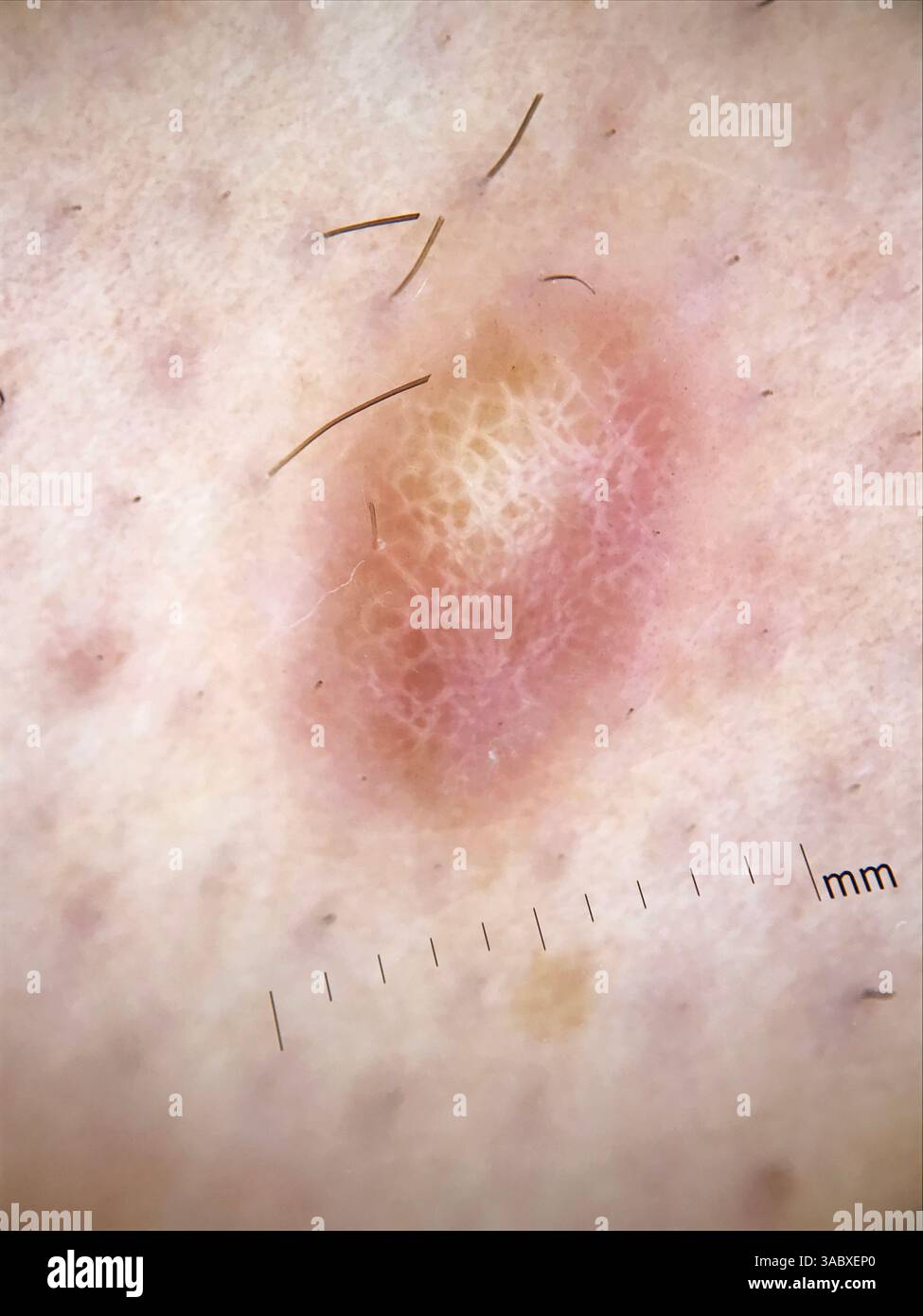
What Is A Dermatofibroma?dermatofibromas Are Harmless Developments Within The Skin That Normally Have A Small Diameter They Can Vary In Shade However Are Typically Pink To Light Brown In Light Skin And Dark The Devonshire Clinic Restricted But inform a doctor if they're inflamed for 2 weeks or more, feel hard, expand quickly, are close to your collarbone, or the skin over them is red. These, together with weight loss, evening sweats, high temperature, or exhaustion, might be signs of cancer cells. Dermatofibromas are firm-hard nodules, and can vary in colour from pink to darker brown colours in darker skin types.
Psychological Impact: It's Fine To Feel Worried
The same dimpling happens when it is revealed to unexpected chilly such as an ice, which makes the skin agreement. Dermatofibroma is an increased lesion on the skin, but most of the lump is under the skin. These benign developments can establish anywhere on the skin yet commonly appear on the legs, arms or torso-- consisting of the top back. The lesions, which may look a little scaly, differ in size. However, most dermatofibromas do not enlarge than a fifty percent inch in diameter. Other variants include aneurysmal, cellular, hemosiderotic, keloidal, granular cell, and lichenoid sorts of dermatofibroma.Will a dermatofibroma disappear by itself?
Dermatofibromas generally do not go away by themselves. They tend to persist for many years and might even last a life time. However, they normally do Cryosonic Cryopen not trigger any health issue and usually don't require treatment unless they''re irritating.
Fill In Your Information And Our Expert Team Will Certainly Call You To Confirm Your Rsvp
- If you want one of the most reputable "this is gone" choice, excision is typically the gold standard.
- Many individuals will actually have several dermatofibromas.
- Cases of unusually quick development exist, but most dermatofibromas stay static for years or persist forever.
- 3 independent customers chosen pertinent articles, making sure an extensive analysis of the existing literature.
- When a healthy protein called keratin connects up your hair follicles, you can obtain tiny sharp acnes, a condition called keratosis pilaris.